Home / The athlete / The crossing of the GR20
The crossing of the GR20
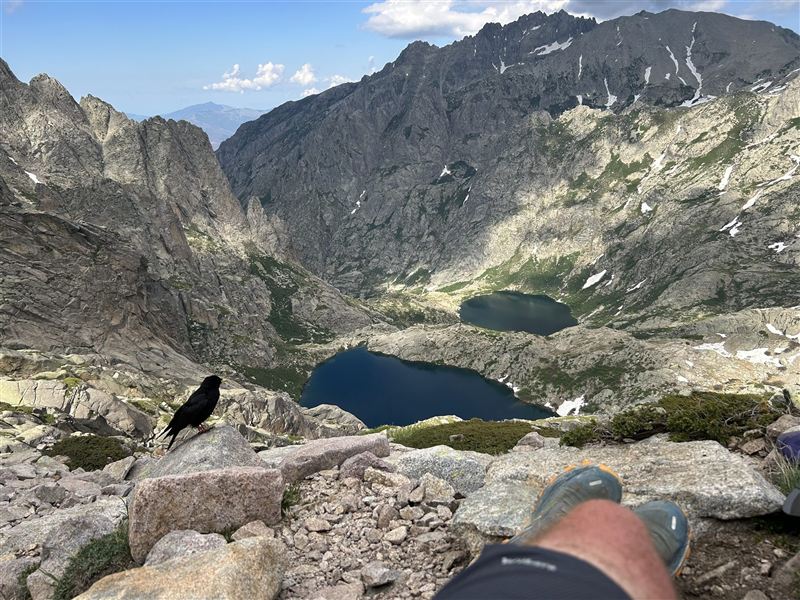
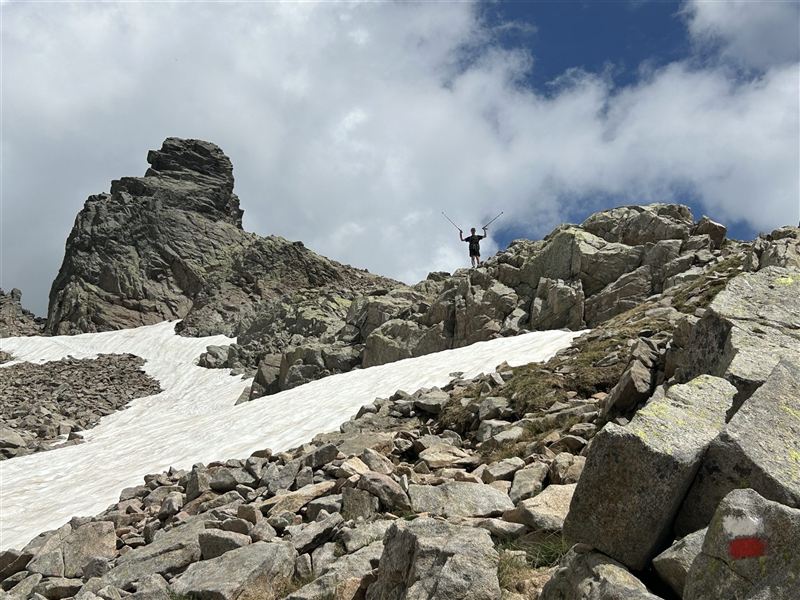
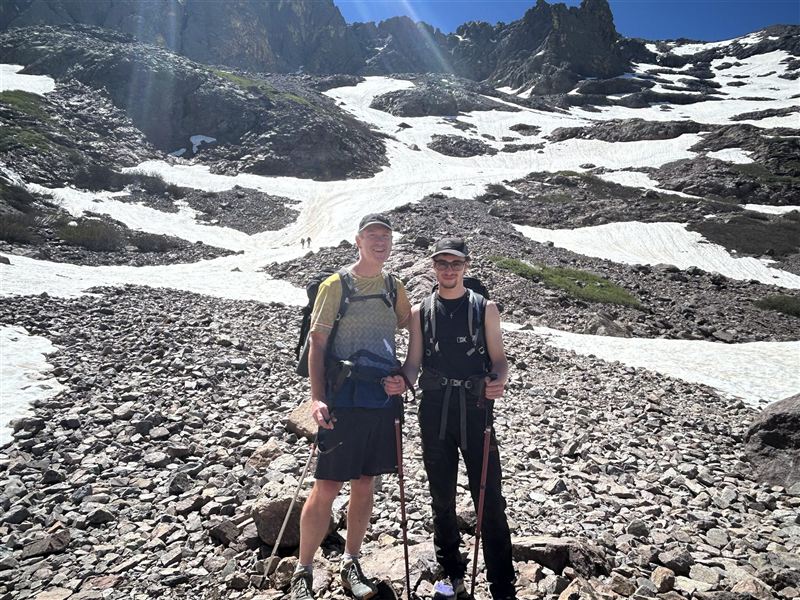
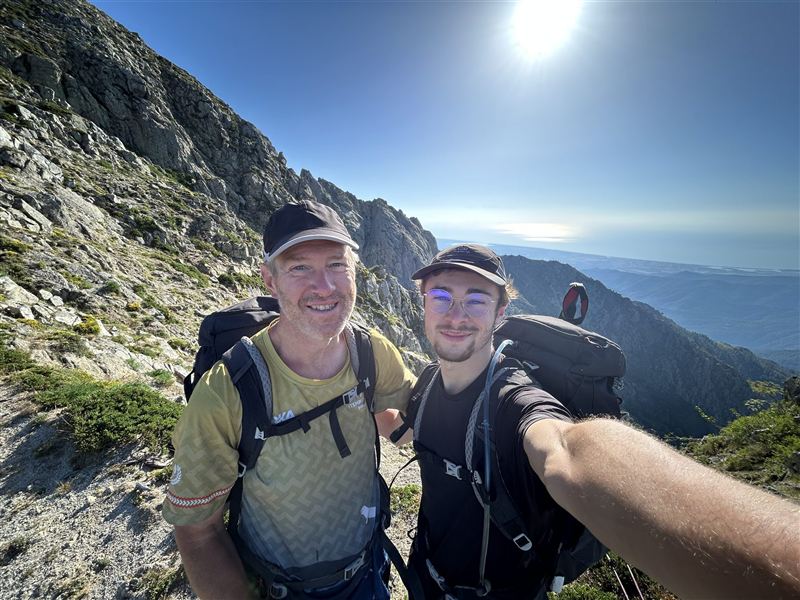
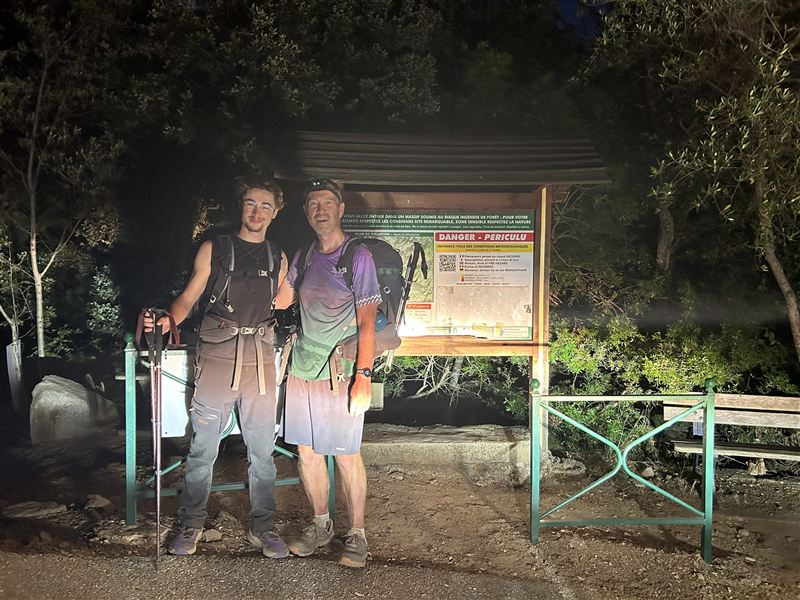
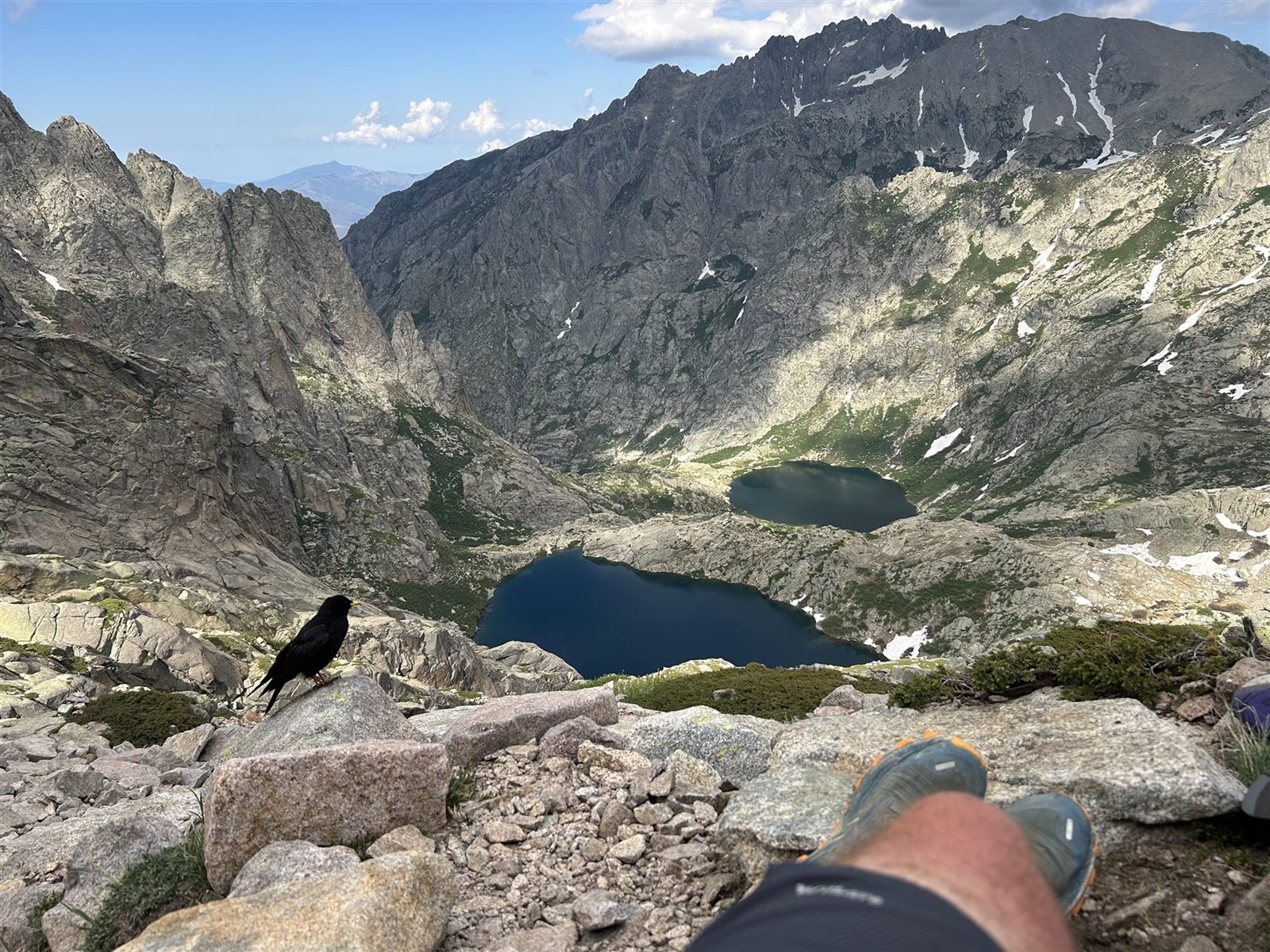
Some experiences change you long after you have lived through them. The GR20 is one of them: 180 kilometres and 13,000 metres of ascent, and just as much descent, covered in 9 days, with my father.
From the first stages, the body imposes its biological and mental limits. Walking 10 to 12 hours a day is exhausting, and the real test is finding the motivation to get up every morning, knowing full well what the day will be like. You quickly understand that to keep moving forward is not to avoid suffering, but to carry on in spite of it.
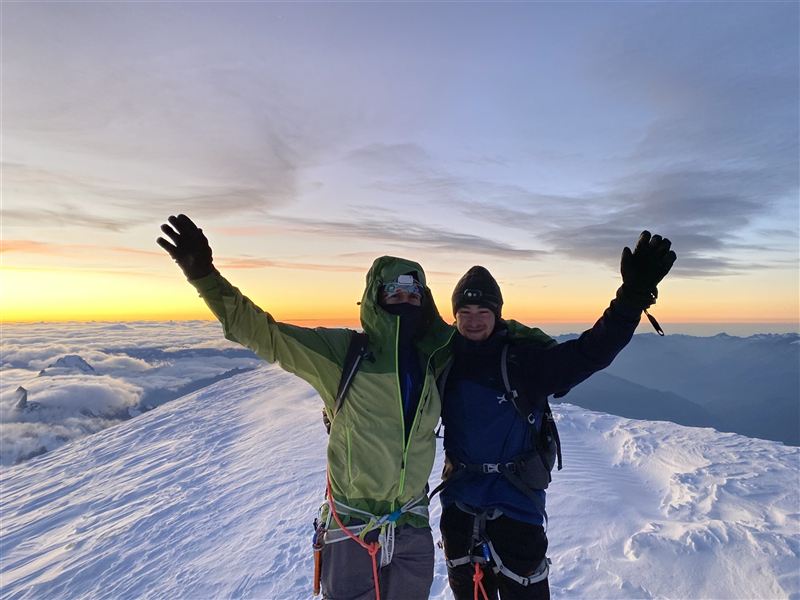
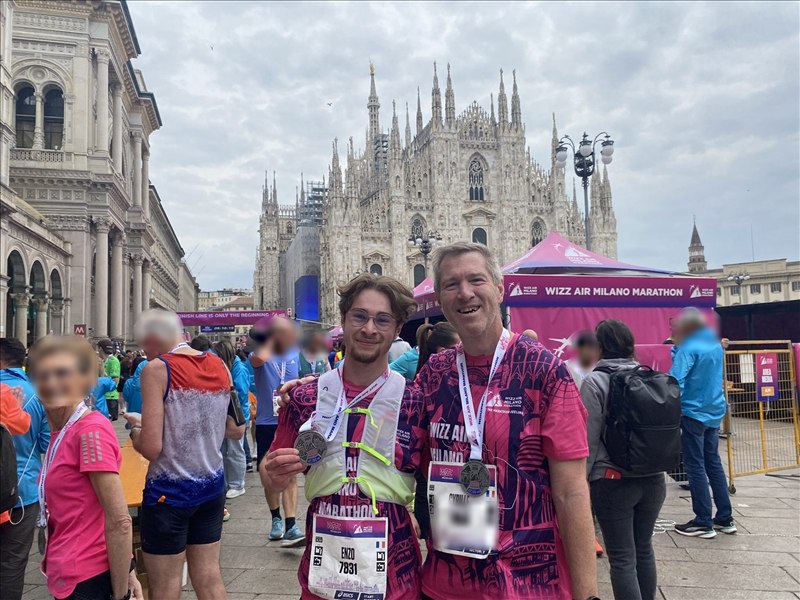
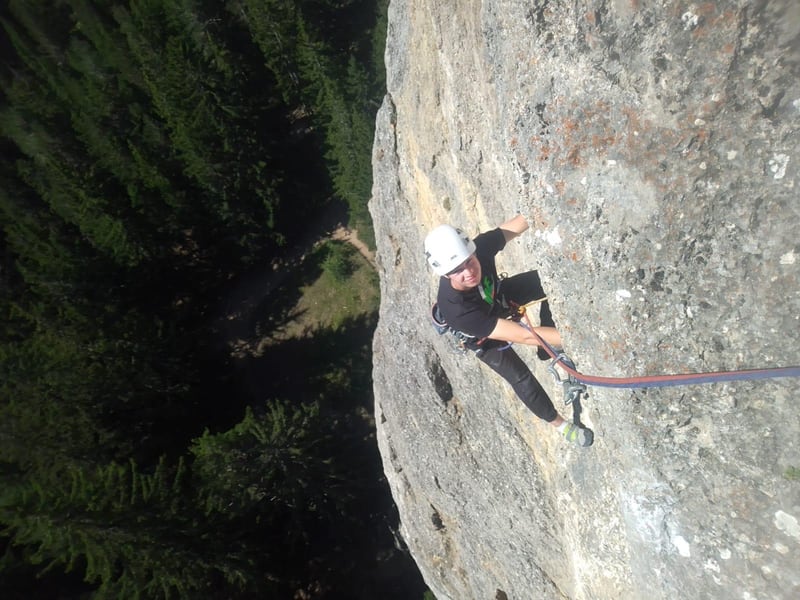
The true richness of such a project lies in human relationships. Every day I crossed paths with many people, often meeting the same faces again from hut to hut. I shared this ordeal with my father: I would not have wanted to experience this with anyone other than my faithful climbing partner.
Cut off from the internet throughout the route, I experienced a return to myself and to nature: a rare opportunity to organise my thoughts and to be at peace with my convictions, my ambitions and myself. At the finish, comfort becomes a privilege again: a cold drink, a real mattress, a hot shower.
Mental health conditions work this way, like a long and chaotic path whose end is never visible at the beginning, but which most certainly exists. Your first 20 kilometres will simply consist in confiding to someone you trust that you need help. Then, focus on the next stage: take one more step.
“To keep moving forward is not to avoid suffering, but to carry on in spite of it.”Enzo Lebreton, article on the GR20 · 2026
Photos